What Families Regret Most About Waiting Too Long to Move
What Families Regret Most About Waiting Too Long to Move
Regret #1: The Years Their Kids Spent Sharing a Room They Hated
Regret #2: Missing Out on Years of Actually Using Their Home
Regret #3: The Daily Stress They Got Used to Carrying
Regret #4: Waiting on the Market Instead of Moving When It Was Right for Their Family
Regret #5: Their Kids Were Older Than They Should Have Been Before the Move
Regret #6: How Much Equity They Left on the Table by Waiting
Regret #7: Not Knowing Their Options Sooner
The Common Thread in Every Regret
Most families don't decide to wait. They just don't decide at all.
The house is too small, everyone knows it, but the timing never feels quite right. The market is weird. The rates are higher than they used to be. The kids are in the middle of a school year. There's a tournament coming up. Life is busy and a move is a big thing and it's easier to keep the idea on the back burner than to actually sit down and figure out whether it makes sense.
So the years go by. The kids get bigger. The house gets louder. The friction builds.
And then one day the family finally makes the move — into the right home, with enough room, a backyard that works, a garage that actually holds everything — and within a few months, almost without fail, they say the same thing.
"We should have done this sooner."
I hear that more than almost anything else in this work. Not from families who rushed into the wrong decision. From families who waited longer than they needed to, stayed in a home that was working against them, and look back now wishing they had moved when the signs were already clear.
Here's what they actually regret — and what it means if you're sitting on the same decision right now.
Regret #1: The Years Their Kids Spent Sharing a Room They Hated
This is the one that lands hardest for most parents.
When the move finally happens and every kid gets their own space, the shift is fast and obvious. Sleep gets easier. Mornings get calmer. The low-grade tension that had become background noise in the house mostly disappears. Parents look at their kids settling into their own rooms and realize — this is what they needed, and they've needed it for a while.
That's when the regret sets in. Not guilt exactly, but a quiet recognition that the kids were dealing with something harder than they let on, and the parents were so deep in the daily routine of managing it that they didn't fully see how much it was affecting everyone.
Kids are pretty adaptable. They don't always say outright that sharing a room is hard. They just get snippy at bedtime. They have a harder time falling asleep. They lose things more often because there's no space that's clearly theirs. They don't bring friends over as much because there's nowhere to go that feels like their own.
Waiting another year or two doesn't make any of that easier. It just means your kids spend more time in a situation that isn't working for them — and you spend more time managing the friction it creates.
Regret #2: Missing Out on Years of Actually Using Their Home
Here's something that doesn't get talked about enough: when a home doesn't fit, families stop doing things they actually want to do.
They stop hosting. Birthday parties get moved to parks or rented spaces because the house can't hold everyone comfortably. Holiday gatherings happen at someone else's place because the kitchen can't handle it and there's nowhere for everyone to sit. Casual dinners with other families — the kind that happen spontaneously and become good memories — stop feeling spontaneous because the logistics of the house get in the way.
The backyard that should be the center of summer doesn't get used the way it should. Too small, not enough shade, nowhere to set up properly for a gathering, so everyone ends up inside watching the kids fight over the TV instead.
That's not a small thing. Those are years of your family's life. Years of the ages your kids are right now, which you don't get back.
Families who waited longer than they needed to often describe it this way: they were living in the house, but they weren't really living in it. They were managing it, working around it, apologizing for it. The home was a source of low-level stress instead of somewhere they actually wanted to be.
Once they move into the right home and start actually using it — the backyard, the kitchen, the space to have people over without stress — they recognize what they'd been missing and wish they'd made the move sooner.
Regret #3: The Daily Stress They Got Used to Carrying
This one is subtle until you're out of it.
When a home doesn't fit your family, there's a constant low hum of friction. Mornings are slightly harder than they need to be because too many people are getting ready in too little space. Evenings are louder because everyone is on top of each other. Weekends feel less restful because the house is always full and there's nowhere to decompress.
You adapt. You adjust. You tell yourself it's fine and you manage it because that's what parents do — you figure it out and you keep going.
But that daily friction has a cost. It adds up over time in ways that affect your mood, your stress level, your patience with your kids, and how you feel about coming home at the end of a long day. A house that works against you doesn't just make logistics harder. It quietly drains energy you could be using for everything else.
Families who finally move into a home that fits describe the relief in almost physical terms. The house just runs differently. Mornings are calmer. Evenings have more breathing room. The weekend feels like an actual reset instead of more of the same.
They often don't realize how much they were carrying until they're not carrying it anymore. And the regret is almost always the same: they wish they hadn't normalized the stress for as long as they did.
Regret #4: Waiting on the Market Instead of Moving When It Was Right for Their Family
A lot of families convince themselves they're waiting for the right market conditions. They're watching interest rates. They're waiting to see if prices come down. They're holding out for the perfect moment when everything lines up.
Here's the honest truth about that: the perfect moment rarely comes, and families who wait for it often find themselves having the same conversation two or three years later, still waiting, with older kids and a house that's even more outgrown than it was before.
The market is genuinely hard to predict. Rates move, but not always when you expect or in the direction you expect. Home prices in Corona have historically trended upward over time, which means waiting often means paying more for the move-up home later, not less.
What I tell families who ask about timing is this: the right time to move is when the move makes sense for your family's life and when the numbers actually work — not when some external condition hits a number you've decided on. Those external conditions may never arrive, or they may arrive in a different combination than you were waiting for.
The families who regret waiting often say they were so focused on rate or price that they forgot to factor in the real cost of staying — the years, the stress, the missed time in a home that actually worked for them.
How Much More House Can You Afford When Moving Up in Corona, CA? walks through how to think about the financial side of this with real numbers, so you're making that decision based on actual math instead of a feeling.
Regret #5: Their Kids Were Older Than They Should Have Been Before the Move
Timing matters more with kids than most parents account for in advance.
Moving a seven-year-old into a new neighborhood is pretty easy. Kids that age make friends fast, adapt to new routines quickly, and bounce back from transitions without a lot of drama. Moving a twelve or thirteen-year-old into a new school and a new social situation is a much harder thing — not impossible, but genuinely harder on the kid.
When families wait through the elementary years and finally make the move when the kids are heading into middle school, the transition carries more weight. The friendships are more established and harder to leave. The social stakes are higher. The kids are at an age where belonging matters enormously and starting over feels like a much bigger deal.
This is especially true in Corona, where so much of kids' social life is built around sports programs and clubs. A kid who has been with the same hockey team or soccer club for three or four years has real relationships tied to that. Moving them into a new home within the same city preserves all of that. Waiting until they're older before making any move at all can mean a harder transition no matter what.
Families who moved sooner say their kids settled into the new home and the extra space almost immediately. Families who waited longer are more likely to describe the move as something the kids had complicated feelings about — even when the new home was clearly better.
The window where a move is relatively easy on kids doesn't stay open forever. That's worth factoring in.
Regret #6: How Much Equity They Left on the Table by Waiting
This one is less emotional and more straightforward, but it matters.
Real estate in the Inland Empire has appreciated significantly over the past several years. Families who bought in Corona five, six, or seven years ago are sitting on equity that, in many cases, is larger than they realize. That equity is the engine that makes a move-up financially possible — it becomes the down payment on the next home, which changes your monthly payment math significantly.
Here's where the regret comes in: some of those families kept waiting, and in the meantime, the move-up homes they would have bought also appreciated. The gap didn't necessarily get worse, but it didn't get better either. And they spent years in a home that didn't fit while the equity they'd built sat there doing nothing for their day-to-day quality of life.
Getting clear on what your home is actually worth right now — not what you guess, not what Zillow says, but a real number from someone who knows the local market — is the first step to understanding whether the move is actually within reach. A lot of families are surprised by what the number is, and by how much more accessible the next step becomes once they see it clearly.
Regret #7: Not Knowing Their Options Sooner
This one might be the most preventable regret of all.
A significant number of families who waited too long to move did so partly because they didn't know what was actually available to them in Corona. They assumed there was nothing in their price range that would actually solve the problem. They assumed the move-up homes were out of reach. They assumed the math didn't work without ever really running it.
So they stayed. And they managed. And they waited.
When they finally sat down with someone who could show them what their home was worth, what they had to work with, and what was actually available in neighborhoods like South Corona, Eagle Glen, Sycamore Creek, or Bedford — many of them found that the move was more possible than they'd assumed.
The regret isn't just that they waited. It's that they waited based on an assumption they never actually tested.
If you're not sure whether a move makes sense for your family right now, the answer isn't to assume it doesn't. The answer is to find out. A real conversation with real numbers takes about an hour and gives you an actual picture of what your options are. That's very different from sitting on Zillow at midnight trying to piece it together yourself.
Best Move-Up Neighborhoods in Corona, CA for Growing Families is a good place to start getting familiar with what's actually out there. And What Growing Families Wish They Had in Their Next Home will help you get clear on exactly what you're looking for before you start.
The Common Thread in Every Regret
Every regret I've described comes back to the same thing: families waited longer than the situation called for, and the cost of waiting was real even when it was hard to see in the moment.
Not the financial cost alone. The cost in daily quality of life. In stress that became normal. In years that passed while the house worked against them instead of for them. In kids who needed more space and didn't have it. In hosting that didn't happen, in backyards that didn't get used, in mornings that were harder than they needed to be.
The families who moved when the signs were clear don't look back and think they should have waited longer. The families who waited almost always wish they had moved sooner.
That pattern is consistent enough that it's worth paying attention to.
If you're reading this and recognizing your own family in any of it, I'd encourage you to stop treating this as a back-burner decision and start treating it as something worth actually figuring out. You don't have to be ready to list tomorrow. You just have to be willing to get the information.
I've covered the most common signs a family has outgrown their home in Why Families Outgrow Their First Home Faster Than They Expected, and the reasons most Corona families choose to stay in the city when they move up in Why So Many Growing Families Are Staying in Corona, CA Instead of Moving Away. Both are worth reading if you're in the middle of this conversation.
And if you want to talk through your specific situation — what your home is worth, what you have to work with, and what the move-up path actually looks like for your family — I'm here for that conversation. No pressure. Just a clear picture of what's actually possible.
Frequently Asked Questions
How do I know if I've waited too long to move or if the timing is still okay? If your kids have been sharing a room for more than a year or two past the point where it stopped working, if you've stopped hosting because the house can't handle it, or if the daily friction has become your family's normal baseline — you've waited long enough. The right time was probably a year ago. The second best time is now.
Is it worth moving up if interest rates are higher than my current mortgage? It depends on your equity and your next purchase price. Many families in Corona who bought four to six years ago have enough equity that the move-up math works better than they expect. Run the actual numbers before you decide it doesn't make sense.
What if we just wait for rates to come down? Rates may come down. They may not, or not on the timeline you're hoping for. In the meantime, your kids keep sharing a room, the house keeps creating friction, and the move-up homes you'd be buying continue to appreciate. Waiting on the market while the house works against your family is a real cost — it just doesn't show up on a spreadsheet.
What's the actual first step if we think we're ready to move up? Find out what your current home is worth. Not Zillow's estimate — a real number from someone who knows the Corona market. Once you have that number, you know what equity you're working with, and the rest of the conversation gets a lot more concrete.
How do I explain a move to kids who are settled and don't want to leave? If you're staying in Corona, which most families do, you're not asking them to leave their school, their friends, or their sports teams. You're asking them to move to a bigger home in the same city. That's a much easier conversation than relocating entirely — and the extra space usually wins them over fast once they realize they're getting their own room.
What are the best move-up neighborhoods in Corona for families? South Corona, Eagle Glen, Sycamore Creek, and Bedford are the areas I point most families toward, depending on their priorities around school districts, lot size, commute, and community feel. I break each of them down in my move-up neighborhoods guide.
Related Articles
Why Families Outgrow Their First Home Faster Than They Expected
Why So Many Growing Families Are Staying in Corona, CA Instead of Moving Away
Best Move-Up Neighborhoods in Corona, CA for Growing Families
How Much More House Can You Afford When Moving Up in Corona, CA?
The Best Home Features for Busy Sports Families in Corona, CA
The Bottom Line
Waiting feels safe. But for most families who have clearly outgrown their home, waiting has a real cost — in daily stress, in years of not fully living in a home that works, and in kids who needed more space than they had.
The families who moved when the signs were clear don't regret it. The ones who waited almost always do.
If you want to know what the move actually looks like for your family — what your home is worth, what you have to work with, and what the right next home could realistically be — I'm here to walk through it with you. That conversation is free, it takes about an hour, and it gives you a real picture of your options instead of a guess.
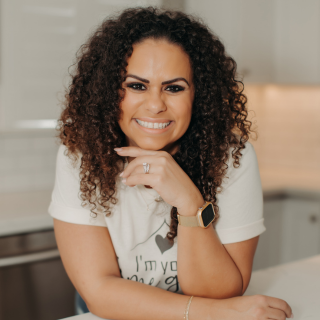
Heather Jones is a Corona, CA Realtor and digital listing specialist who helps homeowners sell their homes for top dollar and move into their next home with a clear, strategic plan. She specializes in working with growing families who are ready to move up from their first home into something that better fits their lifestyle. Known for her strong marketing and hands-on guidance, Heather helps her clients navigate every step of the process with confidence.
Heather Jones, Realtor, Digital Listing Specialist, Community Market Leader
Brokered by eXp Realty of California
DRE #02067219
661.607.6832